Construction Risk Is Changing – Is Your Insurance Keeping Up?

Construction has always been a high-risk industry. Working at height, heavy machinery, fire and on-site accidents remain central concerns. But for many businesses, the most significant risks are no longer purely physical.
Today, construction is increasingly digital. Projects rely on connected systems, shared platforms and real-time collaboration between multiple parties. As a result, cyber and technology-related risks are becoming just as important as traditional site hazards. For businesses reviewing their construction risk insurance, these changing exposures are an important part of understanding whether existing cover still reflects how projects are actually delivered.
As an independent insurance broker working closely with construction businesses, Sutcliffe & Co is seeing a clear shift: risk is no longer confined to the site itself but now extends across the digital systems that support how projects are designed, managed and delivered.
Construction is now a connected digital environment
Building Information Modelling (BIM), cloud-based project management systems, remote access tools and connected site technology are now widely used across the industry.
These systems allow architects, engineers, contractors and consultants to collaborate in real time, sharing drawings, models and project data instantly across multiple organisations.
While this improves efficiency and coordination, it also creates a far greater level of digital dependency.
If a key platform is disrupted, access to critical project information can be lost immediately. If systems are locked or compromised, work may need to stop entirely while access is restored and data is verified.
Cyber incidents are no longer just an IT issue. In construction, they can quickly become operational, financial, and contractual issues all at once.
BIM and shared platforms increase exposure
The use of collaborative BIM environments introduces a specific and often overlooked risk: shared digital exposure across multiple organisations.
On a typical project, numerous businesses may be working within the same digital ecosystem. Architects, structural engineers, M&E consultants and contractors may all be accessing and contributing to the same model or data environment.
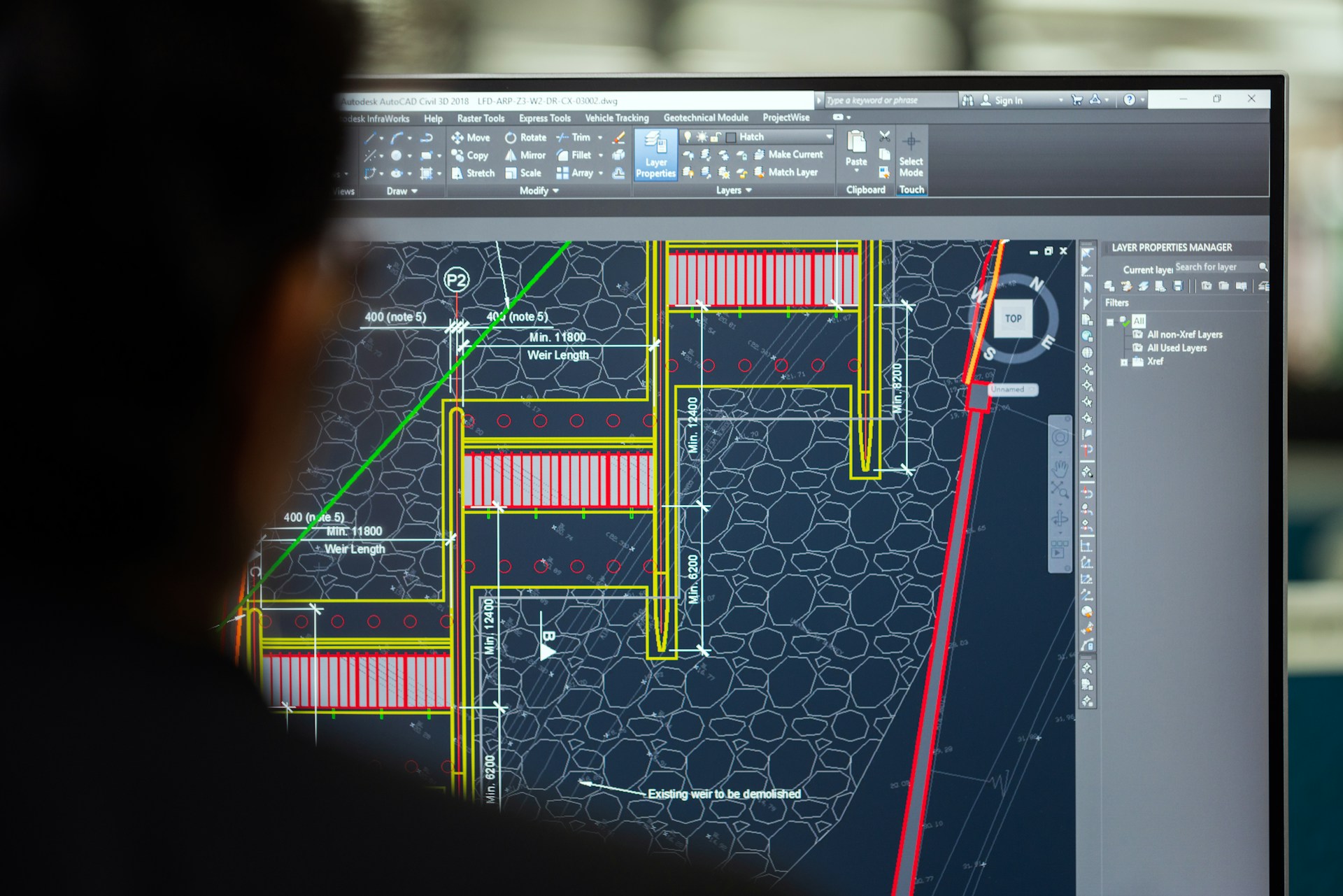
If one organisation is compromised, the impact may not remain isolated.
Attackers often exploit trusted relationships. A compromised email account or login from one project partner can be used to send convincing messages, distribute malicious files or gain further access through shared systems and permissions.
Because these communications appear legitimate and familiar, they can be difficult to detect.
This means cyber risk in construction is no longer contained within individual businesses. It can potentially spread through the digital connections that hold a project together.
The real impact of a cyber incident
The consequences of a cyber event in construction can be significant and wide-ranging.
Businesses may experience:
- Loss of access to BIM models and project data
- Delays caused by system downtime or recovery processes
- Exposure of commercially sensitive designs or client information
- Fraudulent payment requests or account compromise
- Disruption across multiple live projects simultaneously
For firms working to tight deadlines and contractual obligations, even short periods of disruption can have a material impact on cost, delivery and reputation.
Technology is changing how construction risk behaves
As construction businesses adopt more digital tools, the nature of risk is changing.
Cloud-based systems improve flexibility but increase reliance on external platforms. Remote access allows teams to work more efficiently but expands the number of potential entry points for cyber attackers. Integrated project systems improve coordination but also mean that disruption in one area can quickly affect others.
Traditionally, sharing drawings, issuing instructions or approving variations would be shared via paper, handed personally or delivered via mail. Now, even these routine processes rely heavily on digital communication.
This creates a simple but important reality: the more connected a construction business becomes, the more it must consider cyber resilience as part of everyday operations.
People, process and technology all matter
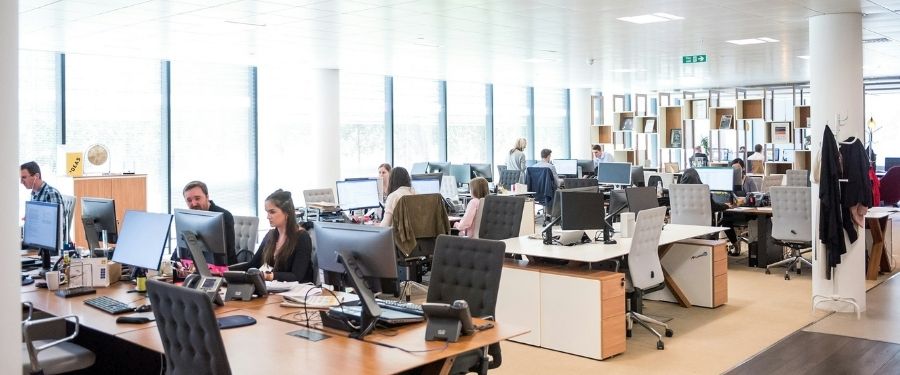
Cyber risk is not just about systems. It is also about people and processes.
Many cyber incidents begin with something as simple as a convincing email, a compromised password or a fraudulent request that appears to come from a known contact.
In a fast-moving project environment, where communication is frequent and deadlines are tight, it is easy for these messages to be acted on without full verification.
Clear internal procedures, staff awareness and strong access controls are essential. But equally important is understanding how external partners manage their own cybersecurity, particularly when they are connected through shared platforms.
Insurance needs to reflect digital construction risk
As construction becomes more digitally driven, insurance arrangements need to keep pace.
Cyber risk is no longer separate from construction risk. It is now embedded within it. That means construction insurance increasingly needs to be considered in the context of both physical and digital exposures rather than site-based risks alone.
Businesses should consider whether their insurance responds not only to traditional physical damage and liability exposures, but also to events such as system outages, data loss, cybercrime and project disruption caused by digital failure.
At Sutcliffe & Co, we regularly review construction insurance programmes to help businesses understand where cyber exposures may exist and whether their current cover reflects the way they actually operate today. For businesses looking for construction insurance, this can include reviewing how changes in technology, working practices and project delivery affect the risks that need to be considered.
When did you last review your cyber exposure?
One of the most common issues we see is insurance that has not evolved alongside the business.
Construction firms may have introduced BIM, moved to cloud-based systems, increased digital collaboration or expanded remote working practices, without updating their insurance arrangements to reflect these changes.
That gap can leave businesses exposed at exactly the point where reliance on technology is highest. Reviewing construction insurance alongside changes to systems, processes and project responsibilities can help identify whether the existing arrangements still match the business’s current exposures.
A regular review helps ensure that cover remains appropriate, relevant and aligned with modern construction operations.
A changing industry needs a changing approach to risk
Construction is no longer just about managing what happens on site. It is about managing how digital systems, people and organisations interact across an increasingly connected environment.
Cyber risk is now part of that picture.
As an independent insurance broker, Sutcliffe & Co helps construction businesses understand these evolving exposures and arrange insurance that reflects the realities of modern project delivery.
Because in today’s construction industry, resilience is not just physical – it is digital too. Get in touch by completing a contact form to discuss your construction insurance and ensure it is up to date with the ever-changing technology and cyber risks.
Read more about contractors and construction insurance.