England Kick-Off Rush: What Telematics Data Reveals About Driver Behaviour During the World Cup
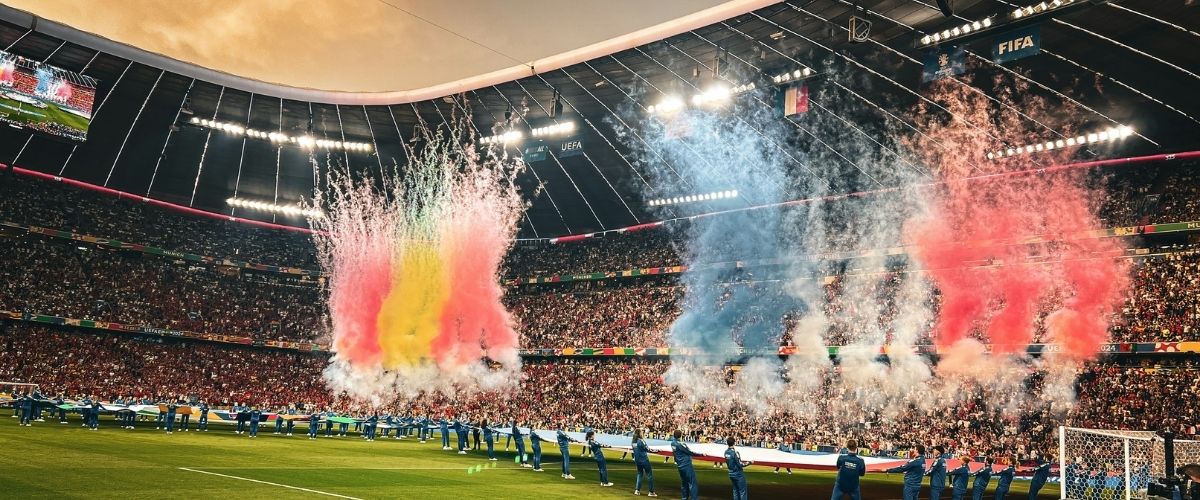
With the 2026 FIFA World Cup now well underway, millions of football fans across the UK are tuning in to watch England’s bid for international glory.
While much of the focus is on what happens on the pitch, major sporting events can also have a surprising impact on driver behaviour. From last-minute trips to stock up on food and drinks to journeys home from work before kick-off, the rush to avoid missing any of the action can influence how people use the roads.
Previous telematics research suggests that excitement around major football matches may be linked to increased speeding, changing traffic volumes and even driver fatigue.
Speeding During the World Cup
Motoring insurer ThingCo conducted an in-depth analysis of telematics data ahead of the UEFA Euro 2024 final.
The insurer reported a 31.52% increase in speeding incidents during the hour before kick-off, compared to typical driving patterns. The findings suggest that motorists were more likely to rush their journeys as they hurried to reach pubs, friends’ houses or their own living rooms before the match began.
With England’s World Cup campaign currently in full swing, similar patterns could emerge around high-profile fixtures, particularly as supporters make last-minute journeys before kick-off.
Quieter Roads, Different Risks
Football matches do not just influence how people drive, they can also affect how many vehicles are on the road.
During England matches, traffic levels are often noticeably lower as supporters stay indoors to watch the action. While quieter roads may sound appealing, they can sometimes encourage higher driving speeds because motorists encounter less congestion and fewer delays.
There can also be short spikes in traffic before kick-off, at half-time and immediately after the final whistle as fans make quick trips or head home.
Late-Night Kick-Offs and Driver Fatigue
With matches taking place across the United States, Canada and Mexico, many fixtures are kicking off late in the evening UK time, while some will not finish until the 4am. For supporters determined not to miss any of the action, this can mean sacrificing valuable sleep and putting yourself and others at risk.
The AA has previously warned drivers about the dangers of fatigue during major sporting events, particularly when supporters stay up late to watch matches before getting behind the wheel the following morning to drive to work or even do the school run.
Fatigue can have a significant impact on driving ability. Tired drivers often experience slower reaction times, reduced concentration and poor decision-making. In some cases, the effects of fatigue can be compared to driving under the influence of alcohol.
As England progress through the tournament and interest continues to grow, drivers should consider whether they are fit to drive after a late-night watching football. If you feel tired, delay your journey where possible, share the driving with someone else, or take regular breaks to stay alert.
The World Cup only comes around once every four years, but road safety should remain a priority throughout the tournament.
World Cup Driving Tips
- Allow extra time before kick-off instead of rushing.
- Plan journeys around match times where possible.
- Never drive after drinking alcohol.
- Avoid getting behind the wheel if you’ve stayed up for a late-night match and feel tired.
- Take regular breaks on longer journeys.
Stay safe and enjoy the World Cup!