What is the PHP cybersecurity issue?
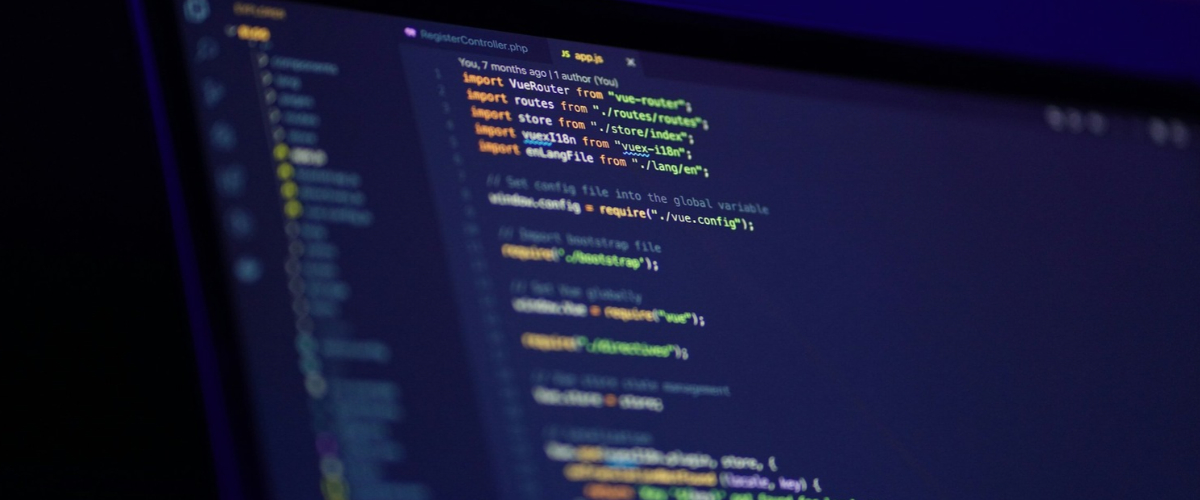
A recently identified cybersecurity vulnerability affecting PHP, a programming language used by millions of websites worldwide, has raised serious concerns about the potential risks to businesses and their online security.
With cyber criminals increasingly using artificial intelligence (AI) to identify and exploit weaknesses in software, it’s more important than ever for organisations to understand the threats and take steps to protect themselves.
At Sutcliffe & Co, we understand how important cyber security is for businesses of all sizes. In this blog, we explain the PHP security issue, the potential impact on your business, and the practical steps you can take to reduce your exposure to cyber threats.
What is PHP?
PHP (PHP Hypertext Preprocessor) is a computer language used by a large proportion of websites around the world, as well as other products
What is the problem with PHP?
There is a flaw in the code that allows hackers to gain access to websites and take control.
How widespread is the PHP problem?
Estimates from experts suggest that about 70% of the internet, or 30 million websites, use PHP.
How was the PHP problem discovered?
The flaw was discovered a couple of years ago but at that time it was felt hackers would not be able to exploit the weakness. This year security experts using AI found the problem was more serious and could be exploited, especially by criminals using AI.
How did we find out about the PHP issue?
Initially, experts kept the vulnerability confidential, only sharing details with relevant software companies to allow them to fix the problem before criminals discovered it. Unfortunately, some of the details leaked and were shared by criminals hoping to exploit the weakness before it could be patched. At this point, a public announcement was made.
How serious is the PHP vulnerability?
In theory, hackers could take control of websites and use this to steal data, divert money and goods from online transactions, infiltrate wider computer and control systems, and spread viruses, allowing criminals to widen their attacks. Because so many websites use PHP, the scale could be massive. At the time of writing, there is evidence of large-scale attempts by criminals to exploit the vulnerability but no evidence yet of any significant breaches.
What role did AI play in the PHP security issue?
AI is great at exploring and deciphering large amounts of data very quickly. This enabled researchers using AI to find the vulnerabilities within PHP. However, criminals are now using AI themselves to try and quickly exploit these vulnerabilities before they are patched.
What should I do about PHP?
Researchers have been releasing ‘patches’ to fix the vulnerabilities, and you should ask your website developer and/or website host to ensure these patches are installed at the earliest opportunity.
Some organisations have been shutting down their websites temporarily until they have been patched. Priority should be to fix systems that are internet-facing because these are most likely to be targeted by criminals.
For more information see the National Cyber Security Centre (NCSC) guidelines: Critical security issue affecting PHP | National Cyber Security Centre
What is a Patch?
A ‘patch’ is a term for a software fix or update. In most cases, patches are released in a controlled release; in this case, patches have been released more urgently due to the nature of the threat.
How to reduce the risks of PHP-type incidents.
- Register for the NCSC early warning service NCSC Early Warning
- Register with your local Cyber Resilience Centre https://nationalcrcgroup.co.uk/
- Get your organisation certified to Cyber Essentials Cyber Essentials – Cyber Essentials
- Protect your organisation with Cyber Insurance from a BIBA Accredited Cyber Insurance Broker like Sutcliffe & Co Cyber Insurance | Sutcliffe Insurance
Updated: 12:21 22/10/2026